

The LPI basic technology projects had their 6th project meeting on 15 November 2024. Scientists from all partners presented their project progress.
Latest News
23 posts
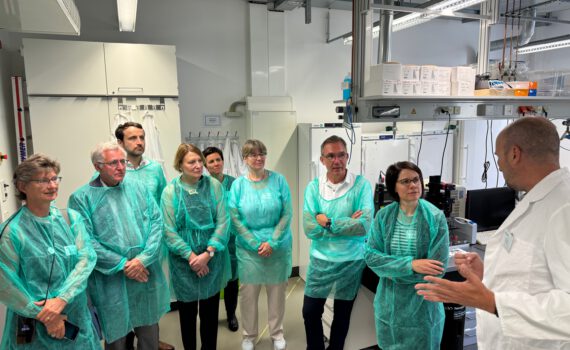
A delegation from the German Federal Ministry of Education and Research (BMBF) visited the InfectoGnostics Research Campus Jena and the LPI on Thursday.
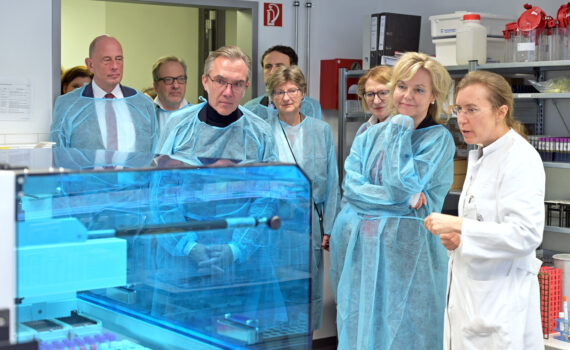
BMBF State Secretary Prof. Sabine Döring and Thuringian Economics Minister Wolfgang Tiefensee visited the Leibniz Centre for Photonics in Infection Research on 7 November 2023.
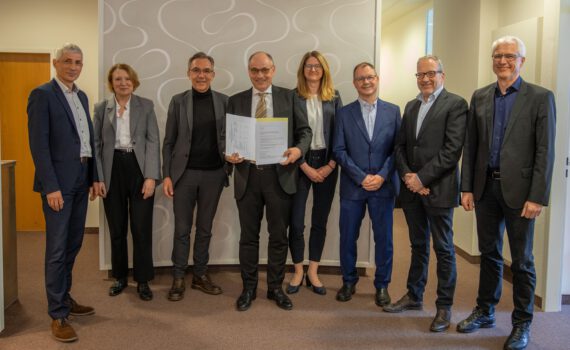
With the founding of LPI gGmbH on 25.04.2024, the Leibniz Centre for Photonics in Infection Research is entering the next era. The four consortium partners of the new centre - the Leibniz Institute of Photonic Technology (Leibniz IPHT), the Leibniz Institute for Natural Product Research and Infection Biology - Hans Knöll Institute (Leibniz HKI), the Friedrich Schiller University Jena (FSU) and the University Hospital Jena (UKJ) - have thus taken the decisive step to consolidate the LPI as a globally unique translational infrastructure - as a bridge from research to application. LPI gGmbH will be established as an open-user one-stop agency. It combines all services, technologies and competences under one roof that are required to significantly accelerate the development and transfer of market-ready light-based diagnostic procedures and novel therapeutic approaches for the treatment of infectious diseases.

Light-based technologies offer enormous potential in the fight against infectious diseases. Their research as well as the development of effective diagnostic methods and therapies are to be revolutionized in Jena in the coming years with the Leibniz Center for Photonics in Infection Research (LPI). In order to get to know […]

The build up phase of the Leibniz Center for Photonics in Infection Research (LPI) is now starting with the implementation of novel technologies for the translation of revolutionizing diagnosis and therapy technologies for infectious diseases: More than 100 researchers as well as representatives of the Federal Ministry of Education and Research (BMBF) and the project management agency VDI Technologiezentrum met online to present their plans for the technological equipment of the LPI.
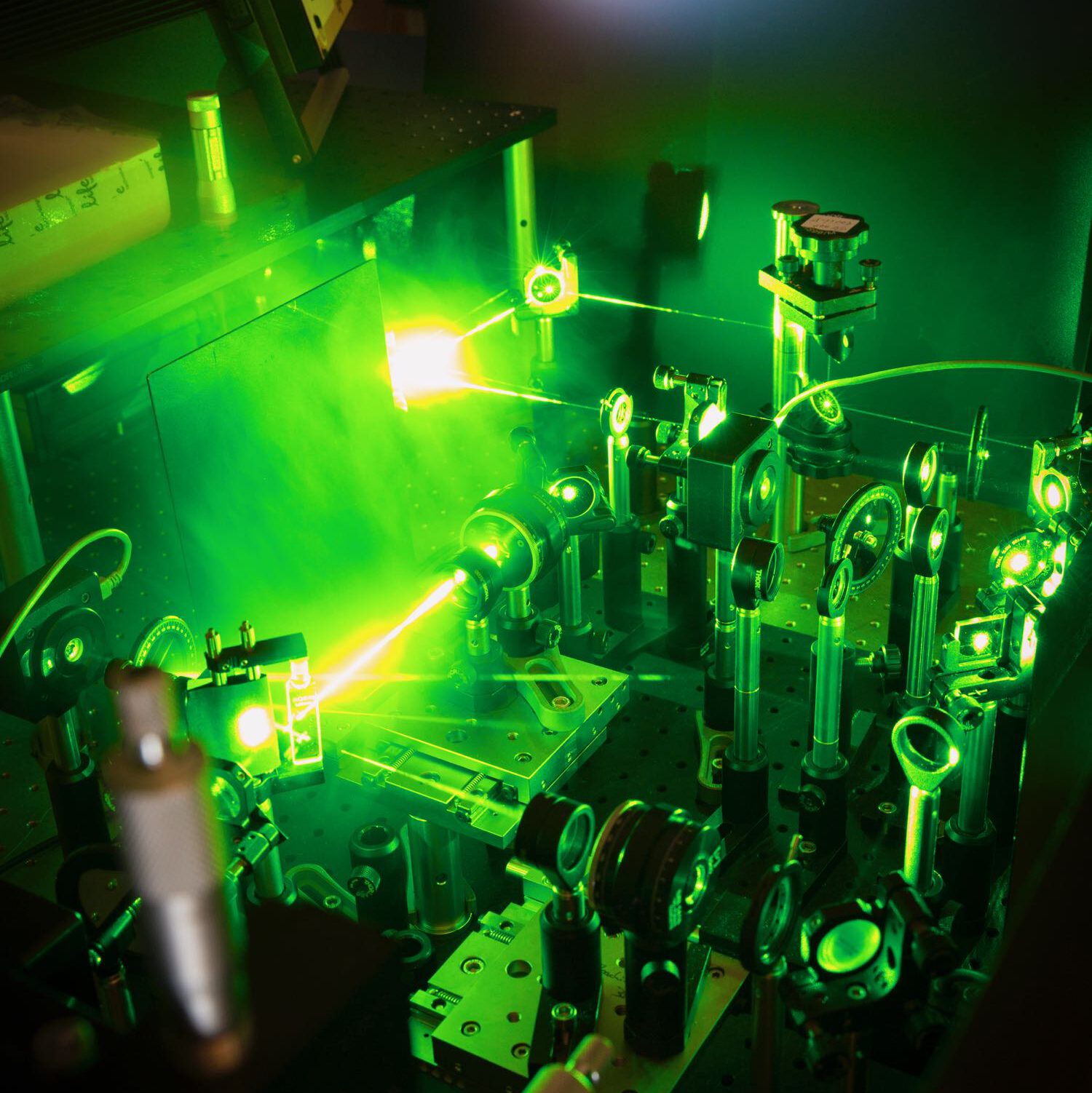
Light-based methods are increasingly used for analytical problems in the fields of health, environment, medicine and safety. Raman spectroscopy in particular is a suitable method for this purpose. The measurement data collected in this process are complex and extensive molecular fingerprints. Artificial intelligence can help in the analysis of these Raman spectra.
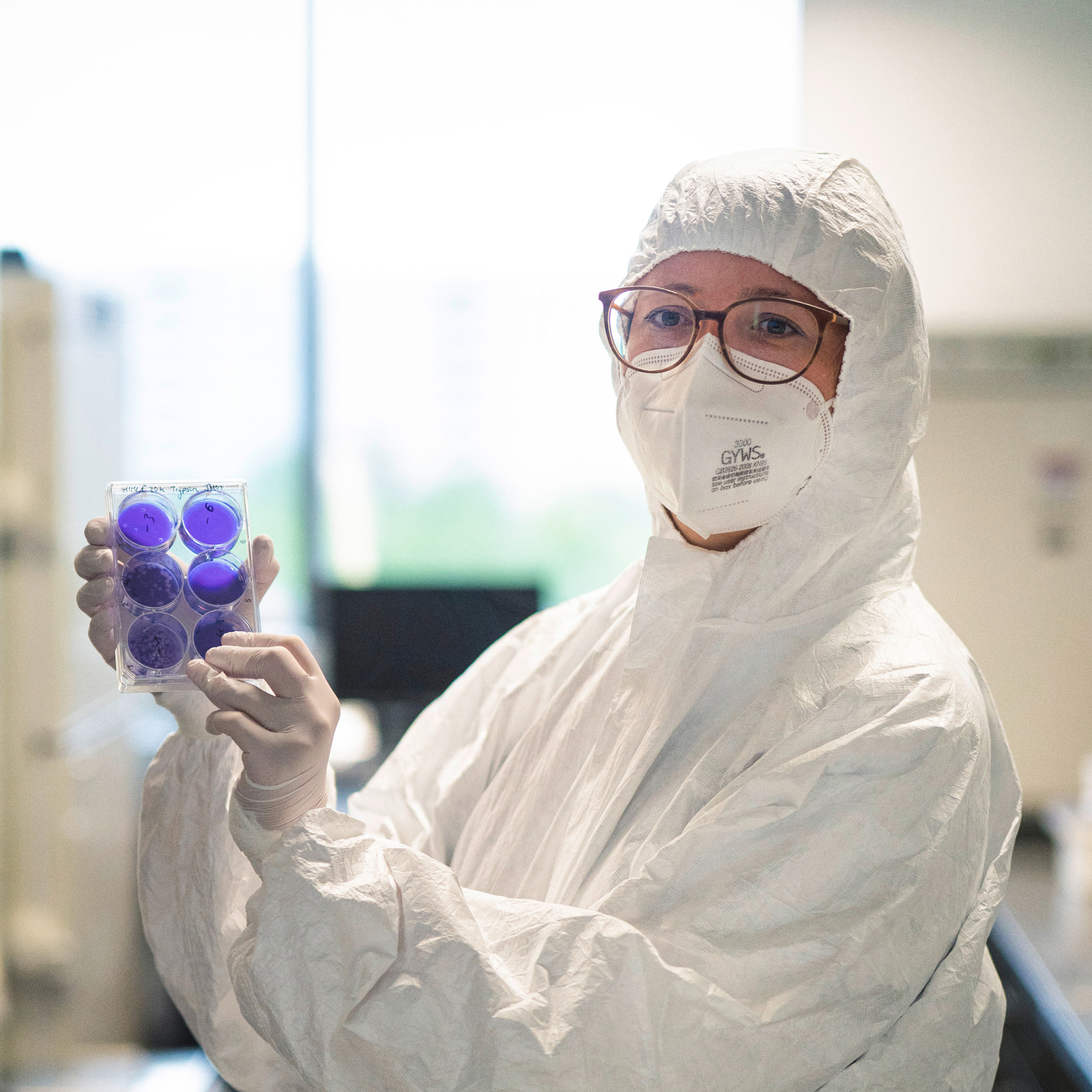
Jena University Hospital is coordinating a collaborative project that is now starting to accelerate the diagnosis of viral respiratory infections. The research project will use COVID-19 to develop methods and technologies that can detect viral outbreaks earlier and support their containment to be better prepared for future epidemics.
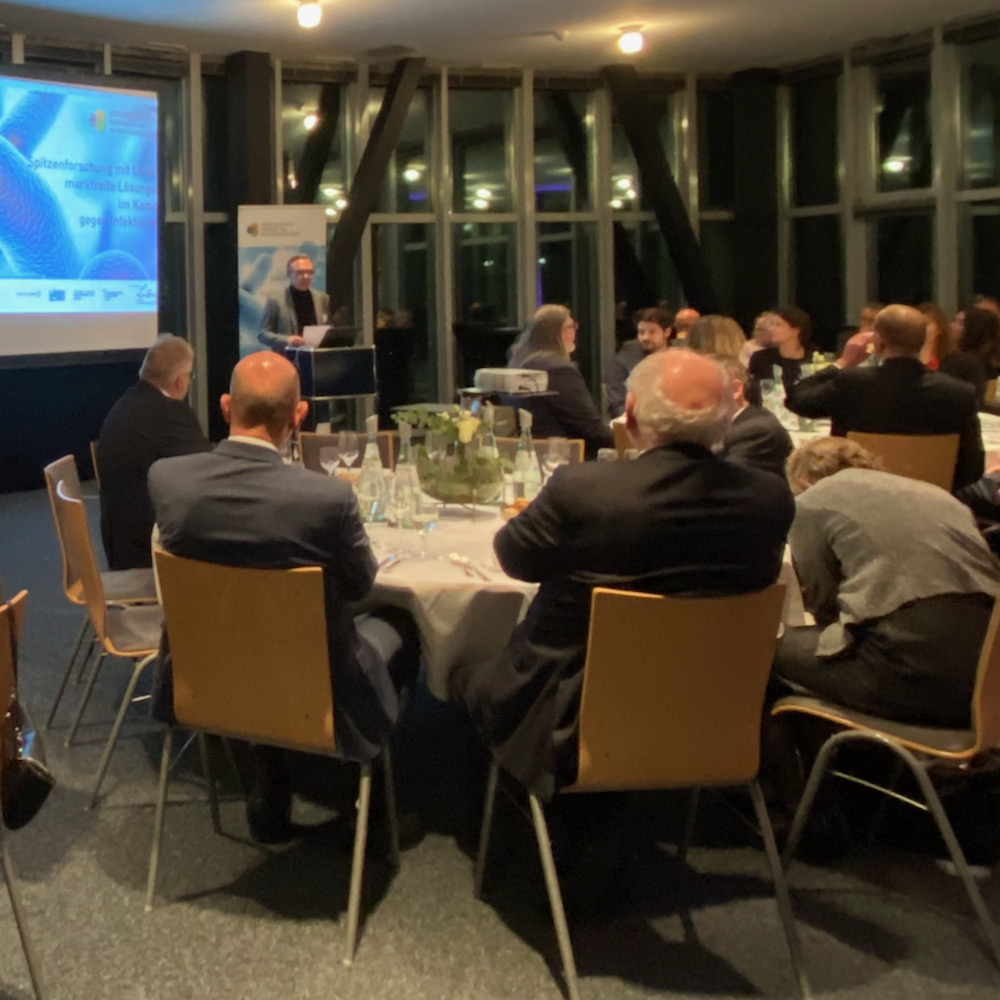
On October 26, representatives from politics, industry and science celebrated the LPI kick-off event in Jena - emphasizing the potential that Jena, the City of Light, has as a location for the center's success.

Fighting infectious diseases with optical technologies: BMBF funds new Leibniz Center for Photonics in Infection Research with unique infrastructure